Enhancing Workplace Comfort in the Netherlands with Innovative Furniture Solutions by Magius in 2026
In 2026, workplace comfort isn’t just a trendy catchphrase for Dutch businesses—it’s actually become a vital focus. More than ever, companies have realized comfort influences not only how productive their staff are but also their overall well-being and loyalty. With hybrid work models cemented and office culture shifting fast, comfort can’t just be treated as a nice-to-have. It’s essential. Getting the right setup where people feel well-supported both physically and mentally is the key challenge companies need to solve if they want to stay competitive long term.
Understanding Workplace Comfort in the Netherlands in 2026
Workplace comfort goes beyond having fancy chairs or ideal air conditioning—it’s about the whole experience, from the physical surroundings to the mindset of the people who work there. Dutch companies have really embraced this wider view this year. They see how a comfortable environment sharpens focus, lowers stress, and fuels engagement. And with so many switching between home and office work daily, creating spaces that adjust to different work modes isn’t just useful—it’s a must.
Research confirms this: when employees feel comfortable, they report less fatigue and pain, which directly boosts productivity and creativity. Given the strong Dutch culture around work-life balance and caring for employees, it’s obvious that offices need flexible, ergonomic furniture designed for collaboration. Workplace comfort isn’t about fluff—it’s a powerful factor in business success.
Key Challenges to Workplace Comfort in Modern Dutch Offices
That said, improving comfort at work isn’t straightforward. Many businesses here struggle with real barriers. Take cities like Amsterdam or Rotterdam—space is at a premium, so there’s limited room to add lots of ergonomic or transformable furniture.
Plus, the workforce itself is diverse, with different needs and preferences. One-size-fits-all definitely doesn’t cut it for today’s offices. And many places still have older furniture that just doesn’t keep up with hybrid work demands. Static desks and chairs don’t help when people need to alternate sitting, standing, or collaborating. These challenges make it clear: just swapping furniture isn’t enough. Offices need real innovation to become genuinely comfortable.
Innovative Furniture Solutions Transforming Dutch Workspaces
Luckily, the furniture industry has stepped up with smart, customizable solutions made for today’s flexible offices. Companies like Magius are pushing the envelope with tech-savvy, ergonomic, and modular designs built precisely for how we work now. Their products blend ergonomic know-how, modularity, and intelligent features that help offices stay healthy and adaptable.
Ergonomic Designs Tailored for Health and Productivity
Ergonomics isn’t just about looks—it’s science-backed design that makes sure furniture fits the human body to avoid strain and injury. Modern office chairs, desks, and accessories encourage good posture, promote movement, and fight fatigue. Magius, for example, makes furniture that easily adapts to individual users, easing common problems like neck tension, back pain, and eye strain.
Adjustable sit-stand desks let people switch between sitting and standing, boosting circulation and focus. Ergonomic chairs come with supportive lumbar features and flexible armrests customized for Dutch workers’ preferences and body types. These health-focused ideas pay off by increasing productivity and cutting down sick days.
Modular and Flexible Furniture for Dynamic Work Environments
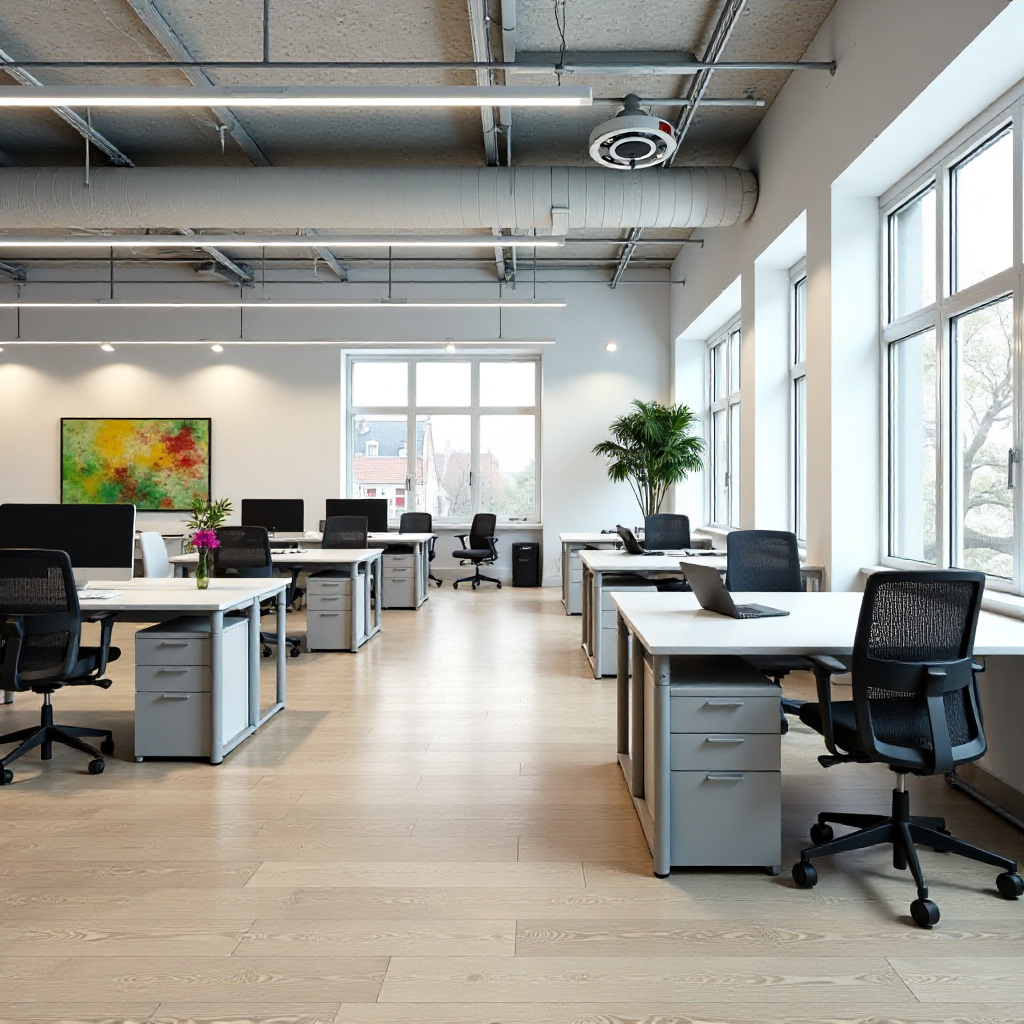
Hybrid work has made furniture more of a chameleon—it has to change quickly between quiet solo zones and lively team spaces. Modular systems are catching on fast in Dutch offices, letting companies rearrange workstations without costly renovations. Magius offers modular setups that make it easy for spaces to evolve as teams grow, projects shift, or work styles change.
Flexibility also tackles the space crunch — something all too familiar in Dutch cities. Multi-use pieces like foldable desks, mobile storage units, and partition walls give workers freedom to customize their space, finding the right balance between privacy and collaboration. This makes offices comfortable and relevant no matter how work patterns evolve.
Benefits of Upgrading to Innovative Furniture in the Netherlands
Investing in new, smart office furniture pays off in plenty of ways for Dutch businesses. Sure, physical comfort improves, but companies also notice happier employees who stick around longer in a tight labor market. Comfortable, empowering spaces send a clear message: this is a company that cares and thinks ahead.
Modern furniture also helps get the most from limited office space, allowing creative layouts that maximize natural light and fresh air—both essential for well-being at work. Better ergonomics reduce workplace injuries, cutting insurance costs and absenteeism. Overall, spending on furniture innovation isn’t just an expense. It’s a smart long-term bet.
How to Choose the Right Furniture Solutions for Your Workplace
Picking the right furniture for your Dutch office deserves careful thought. Start by really listening to your employees—what bugs them and what supports them? Look at the range of tasks happening—from focused solo work to meetings and team projects—and choose pieces that support all modes well.
Working with trusted suppliers like Magius makes this easier. Their expertise in ergonomic standards and modular design ensures your space ends up flexible, comfy, and fit for purpose. Don’t forget to check quality, warranties, and after-sales support so your investment keeps working for you in 2026 and beyond.
Conclusion: The Future of Workplace Comfort in the Netherlands
As 2026 rolls on, the push to improve workplace comfort in the Netherlands is gaining speed. Furniture innovators like Magius are turning offices into healthier, more adaptable, and welcoming spots. Companies serious about attracting talent, boosting productivity, and building lively workplace cultures can’t afford to ignore this trend anymore.
Looking forward, tech, sustainability, and customized design will only become more central to office furniture—matching the changing needs of Dutch workers. By putting comfort and innovation front and center, companies here are redefining what a modern office really means.